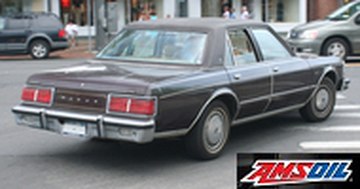
Engine Lubrication and Maintenance for the 1981 Dodge ST REGIS 3.7L
Maintaining a vehicle of this era requires a proactive approach to fluid management and mechanical inspection. For owners of the 1981 Dodge ST REGIS equipped with the 3.7L engine, consistent attention to lubrication systems is a fundamental aspect of long-term preservation. Because older engines often operate under different thermal and mechanical stresses than modern counterparts, understanding how to monitor and respond to changes in fluid condition is essential for effective ownership.Monitoring Fluid Integrity and Potential Leaks
A primary component of routine service involves the visual assessment of the engine bay for any signs of fluid loss. Over time, various gaskets and seals may experience changes in their ability to maintain a tight barrier against internal pressures. When performing regular inspections, it is useful to look for evidence of seepage or active dripping around sealing surfaces. If you notice dark staining on the underside of the engine or observe wetness on components that should remain dry, this warrants further investigation. It is important to note that a single symptom, such as an oil spot on a driveway, can be associated with several different sources. Rather than assuming a specific component has failed, use these observations as a prompt to inspect the surrounding area more closely. Checking for signs of moisture or residue near various engine junctions can help identify where maintenance might be required before a minor seepage becomes a more significant issue.Observing Changes in Lubricant Condition
Beyond looking for external leaks, an owner should pay close attention to the physical characteristics of the engine oil itself. The appearance and behavior of the lubricant can provide important clues regarding the internal state of the engine. If the oil appears significantly darker than expected shortly after a change, or if it exhibits a gritty texture, these are indicators that the fluid may be accumulating contaminants or undergoing rapid oxidation. Changes in how the engine operates can also serve as indirect indicators of lubrication health. While unusual mechanical noises or changes in performance can stem from many different causes—ranging from electrical issues to fuel delivery—they should never be ignored. If you notice a change in the way the 3.7L engine sounds during startup or while idling, it is prudent to check the oil level and condition immediately. Always remember that symptoms are often multifaceted; an investigation into a new noise should include a thorough check of all fluid levels and a visual inspection of accessible components.Prioritizing Maintenance Through Condition-Based Inspection
As vehicles age, the most effective way to manage maintenance is to focus on the actual condition of the machine rather than relying solely on chronological age. For a 1981 Dodge ST REGIS, this means establishing a baseline of what "normal" looks like for your specific engine. If you do not have a complete service history, your first priority should be to document the current state of all fluids and visible mechanical components. Once a baseline is established, maintenance efforts can be prioritized based on observed needs:- Address active concerns first: If there is evidence of an active leak or a noticeable change in fluid consumption, these issues should take precedence over general preventive tasks.
- Monitor aging materials: Inspect hoses and any accessible belts (if equipped) for signs of cracking, glazing, or fraying. While age alone does not dictate failure, the physical condition of these components is a more reliable guide for replacement than the calendar year.
- Review service records: Keeping a detailed log of when oil was changed, which filters were used, and what repairs were performed allows you to spot patterns that might indicate an emerging issue.
Managing Long-Term Engine Health
Effective long-term ownership involves more than just reacting to problems; it involves a disciplined approach to record-keeping and observation. For an owner of a classic vehicle like the ST REGIS, maintaining a comprehensive history of all lubrication services is invaluable. This documentation helps in identifying if the engine is consuming more oil over time or if certain service intervals are proving more critical than others. If you are managing a vehicle with an incomplete maintenance history, do not feel pressured to replace every aging component immediately. Instead, use your routine inspections to build a profile of the vehicle's health. For example, observing whether the engine requires more frequent top-offs or if the oil maintains its clarity for longer periods can help you refine your service strategy. This methodical approach allows for informed decision-making regarding when to transition to different lubricant formulations or when to perform more intensive mechanical inspections.Practical Steps for Routine Engine Checks
When performing a routine check of the 3.7L engine, it is helpful to follow a systematic process. Start with a cold inspection before the engine has been running, as this can make it easier to spot fresh seepage that might otherwise be obscured by heat or moving parts. If equipped, inspect any accessible drive belts for signs of deterioration such as surface cracking or fraying. Similarly, check the condition of visible hoses for any signs of swelling, hardening, or leaks at the connection points. While these are separate from the lubrication system, they are critical components of the overall engine environment. Ensuring that the cooling and belt-driven systems are in good standing provides a more stable operating environment for the engine oil, helping to manage the thermal loads the lubricant must endure during operation.Buying Engine Oil for your 1981 Dodge ST REGIS 3.7L
When it is time to replenish your engine's lubrication, the most important step is to ensure the product you select matches the specific requirements of your application. Rather than relying on general automotive knowledge or assumptions based on the vehicle's age, always refer to the application-specific information provided on this page. Match the engine oil to the vehicle-specific viscosity and application information shown above. When shopping for products, consider the following practical tips:- Verify the label: Always check the product packaging to ensure the SAE viscosity and API service classifications align with the data listed in your vehicle's documentation.
- Evaluate formulations: Depending on your engine's current condition, you may choose between conventional, synthetic blend, or full synthetic oils. Some high-mileage oil formulations contain additives intended for use in aging engines, including seal-conditioning additives that may be beneficial for older seals.
- Check certification: Ensure the oil meets the appropriate modern API standards to guarantee it provides necessary protection against oxidation and deposit formation.